
John Piper was one of the most versatile British artists of the twentieth century. From prints and paintings to textiles, stained glass and ceramics, his work is endlessly inventive, richly coloured and difficult to categorise — qualities that have made Piper central to the Fifties Art collection.
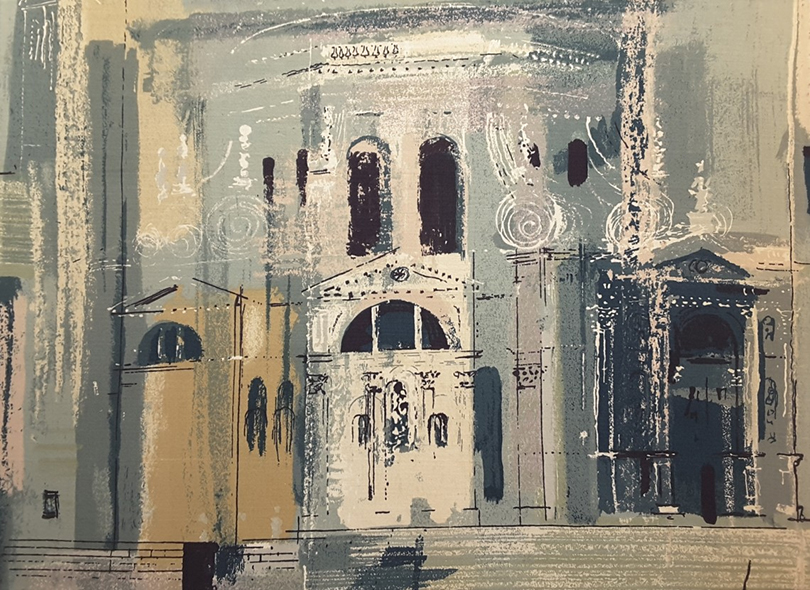 ‘Chiesa Della Salute’, 1959
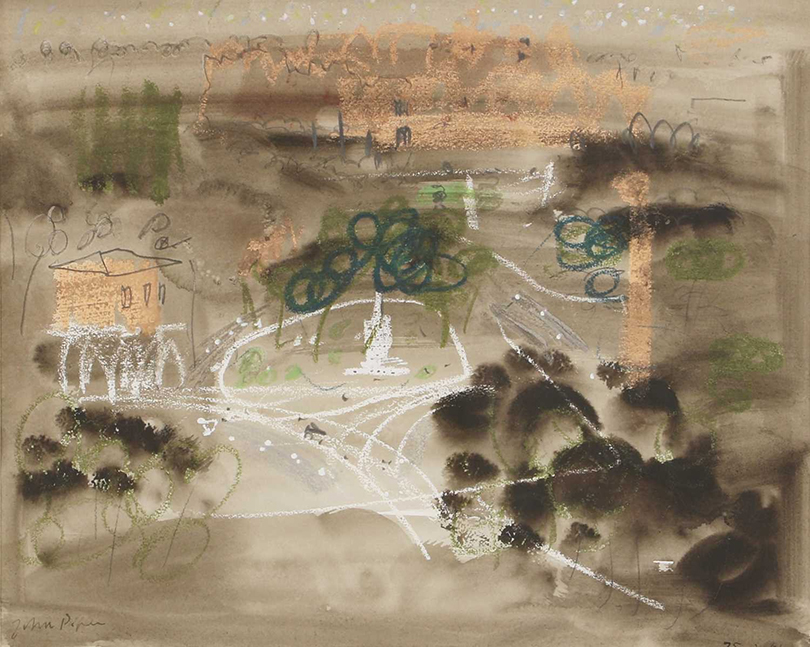 ‘Baths of Caracalla’, 1961
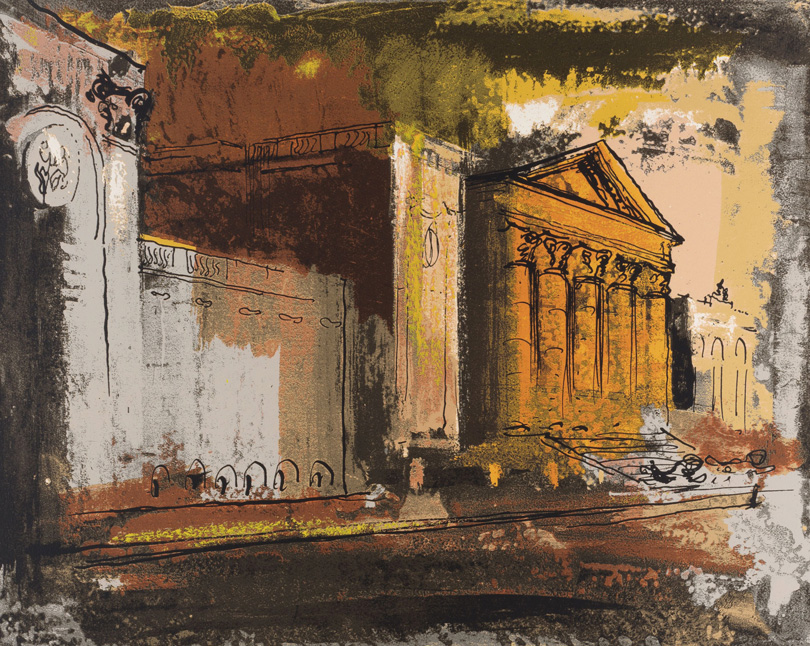 ‘Stowe’, 1986
The gentleman genius
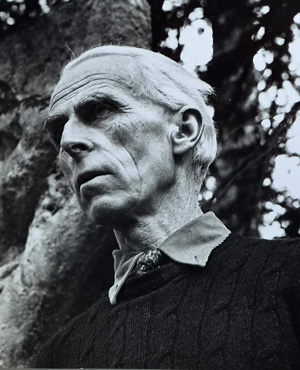
Born in 1903 into a comfortable Surrey family, John Piper was a quintessentially English artist, polite, well-spoken and formally dressed in jacket and tie. However, his public image belied an artistic mind of boundless energy and creativity. Whilst the avant-garde Picasso is seen as the go-to artist for all round genius, John Piper could match him in every medium.
Beginning with sketching, watercolours and simple printmaking, Piper studied at Richmond Art School and the Royal College of Art in the ’20s and ’30s. After a visit to Paris, he turned to abstraction and joined the ‘Seven and Five Abstract Group’ in 1934. The ’30s were marked by the production of abstract art, often incorporating collages, and of ‘constructions’ which were about as far away from the popular view of Piper’s work as is possible.
By the end of the ’30s, he became disillusioned with abstraction and returned to a more naturalistic and representational approach concentrating on landscapes and architectural views. This change of direction was confirmed by his work recording the effects of the blitz on Britain’s buildings, especially churches, as an official war artist during the Second World War.
For the next 40 years, Piper was endlessly innovative and extraordinarily prolific. Dedicated to excellence and quality in all he did, there is hardly a medium in which he did not excel, including ceramics, fabric design, mosaics, murals, photography, stage sets and costume design, stained glass and even designing fireworks displays, he was also editor of the Shell Guide series for some 40 years.
Piper is best known for his extensive studies of British architecture, especially churches, and for landscapes in oil, watercolour and print. The mountains of north Wales inspired him from the early ’40s to the mid-50s but as he refused to fly, his foreign trips were limited to France and Italy. His work is often characterised by a bold use of colour with strong abstract elements, dynamic composition and an ability to capture the character of a place with a strong sense of atmosphere.
His work is avidly collected and is held in many museums and galleries but he was no establishment man, a position which may partly explain his ridiculously low profile in the art world. After the war, he became a Trustee of the Tate and National Galleries and in 1959 he became a member of the Royal Fine Art Commission, at all times encouraging other and especially emerging artists. He loathed the Royal Academy for their rejection of abstraction in the 1930s and refused a knighthood in 1972 although he accepted a Companion of Honour for ‘distinction in arts’, something of an understatement. He died in 1992 just short of his 90th birthday.
Explore Piper’s world


The joy of colour
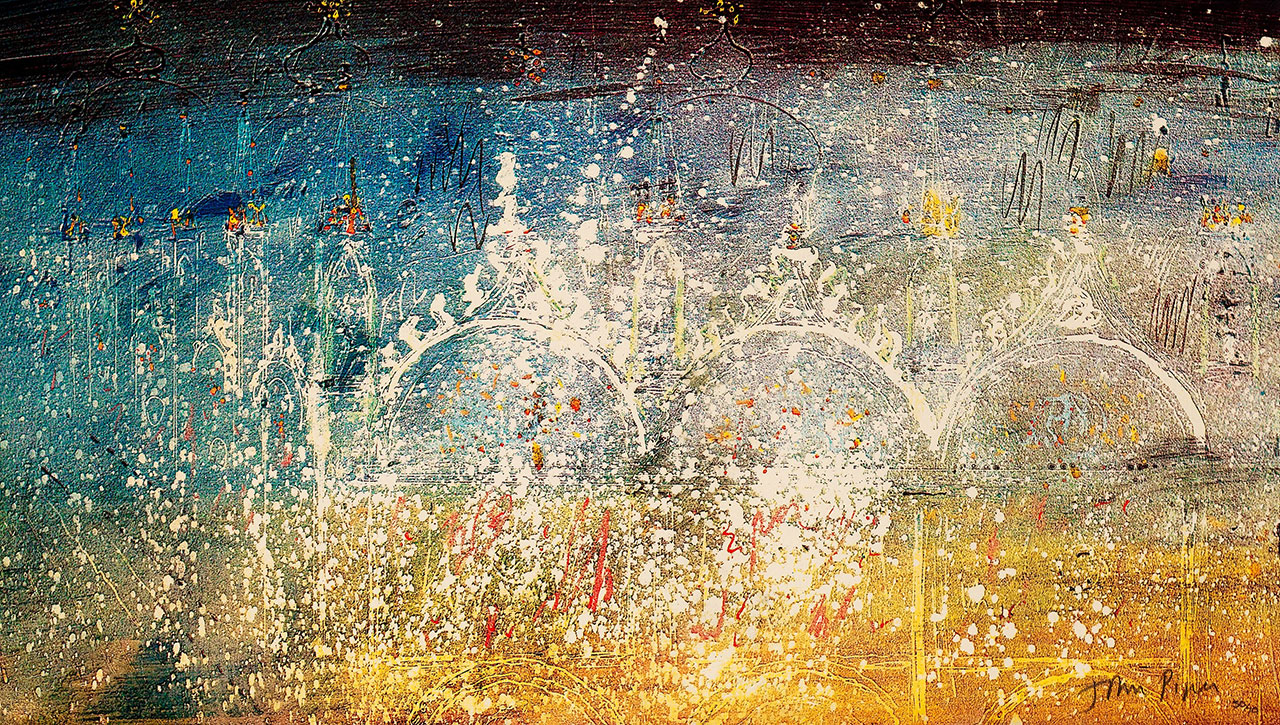
‘Death in Venice V (San Marco)’, 1973
John Piper was never afraid of using colour, either in dramatic concentration or applying surprising dashes of bright colour such as red or pink, a colour most artists steer clear of. At the same time, he was unafraid of using black to highlight or create atmosphere, another colour which artists can be wary of. Much of Piper’s art and printmaking is full of the creative and imaginative use of colour.
Architecture, churches & landscape
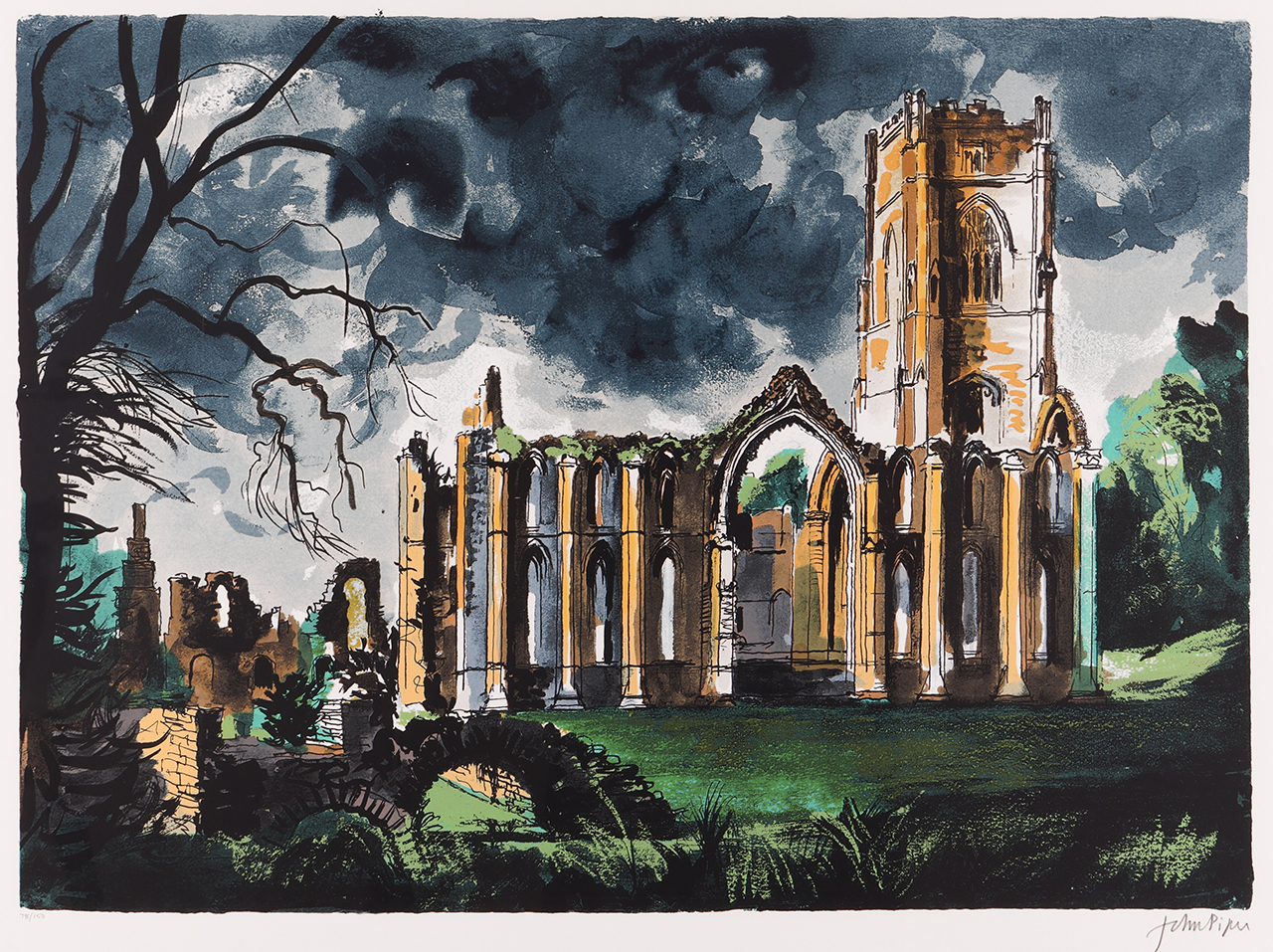
‘Fountains Abbey’, 1983
Piper was fascinated by buildings whose character he could see almost intuitively, especially churches and chapels; ruined and abandoned buildings and country houses, their features and follies. His creative imagination enabled him to bring inanimate buildings to life, encouraging us to look and to look again, bringing forward their life and their history, generating atmosphere and mystery and creating what have come to be known as ‘Piper places’.
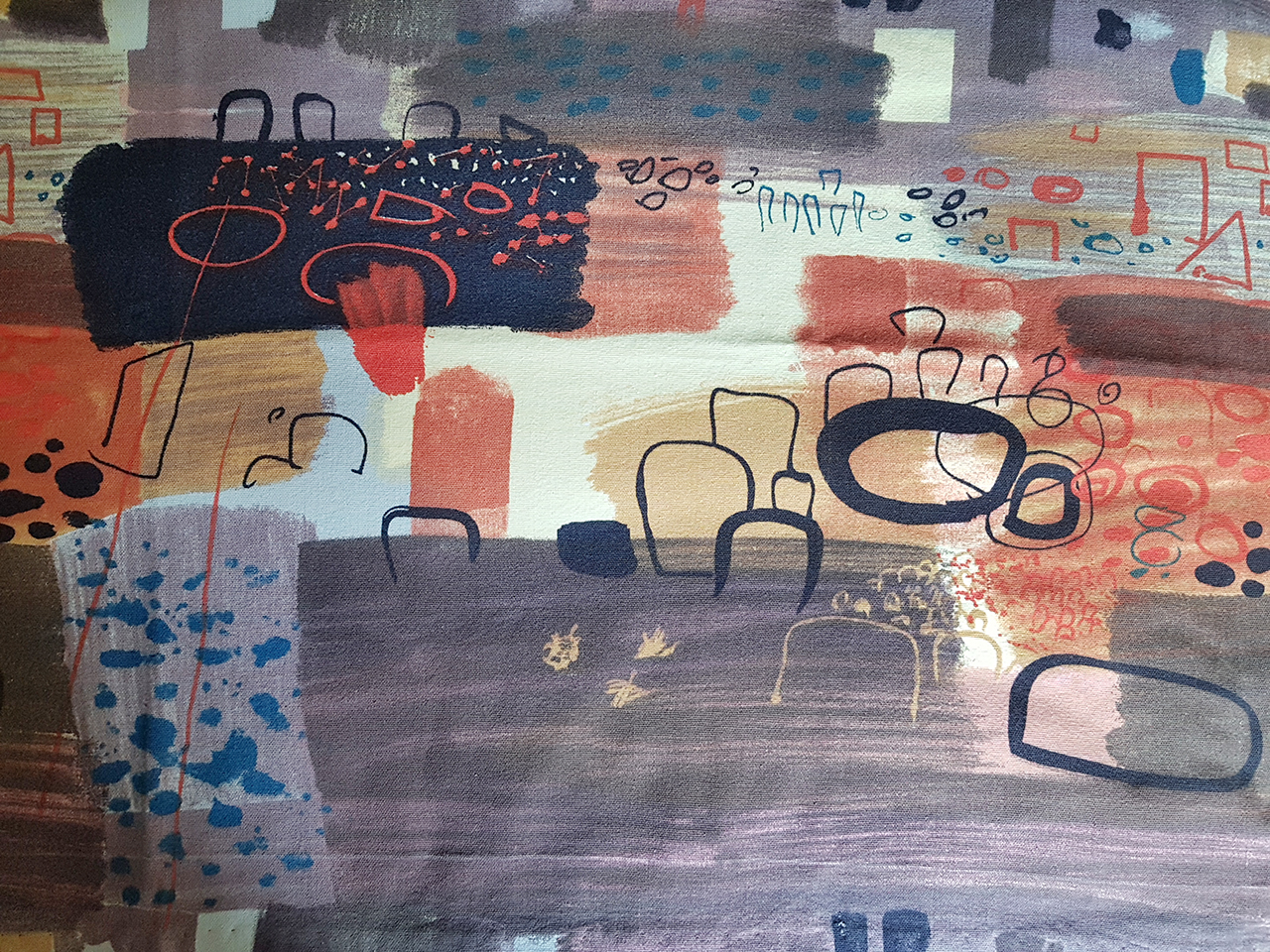
‘Finistere’, c.1969
Beyond painting:
the delegated arts
Piper was firmly committed to working in collaboration with highly skilled technicians experimenting and learning to achieve the highest quality work, an approach he characterised as ‘delegated arts’. Examples include Patrick Reyntiens with stained glass at Coventry Cathedral; Stanley Jones at the Curwen Press for printmaking; Dennis Williams for mosaics and Geoffrey Eastop for ceramics. In producing tapestries, Piper moved towards outsourcing, commissioning skilled craftspeople in France and Namibia. The scope and scale of his ‘delegated arts’ was brilliantly captured in ‘Creative Partnerships’, an exhibition and catalogue at Hereford Art Gallery in 2011.
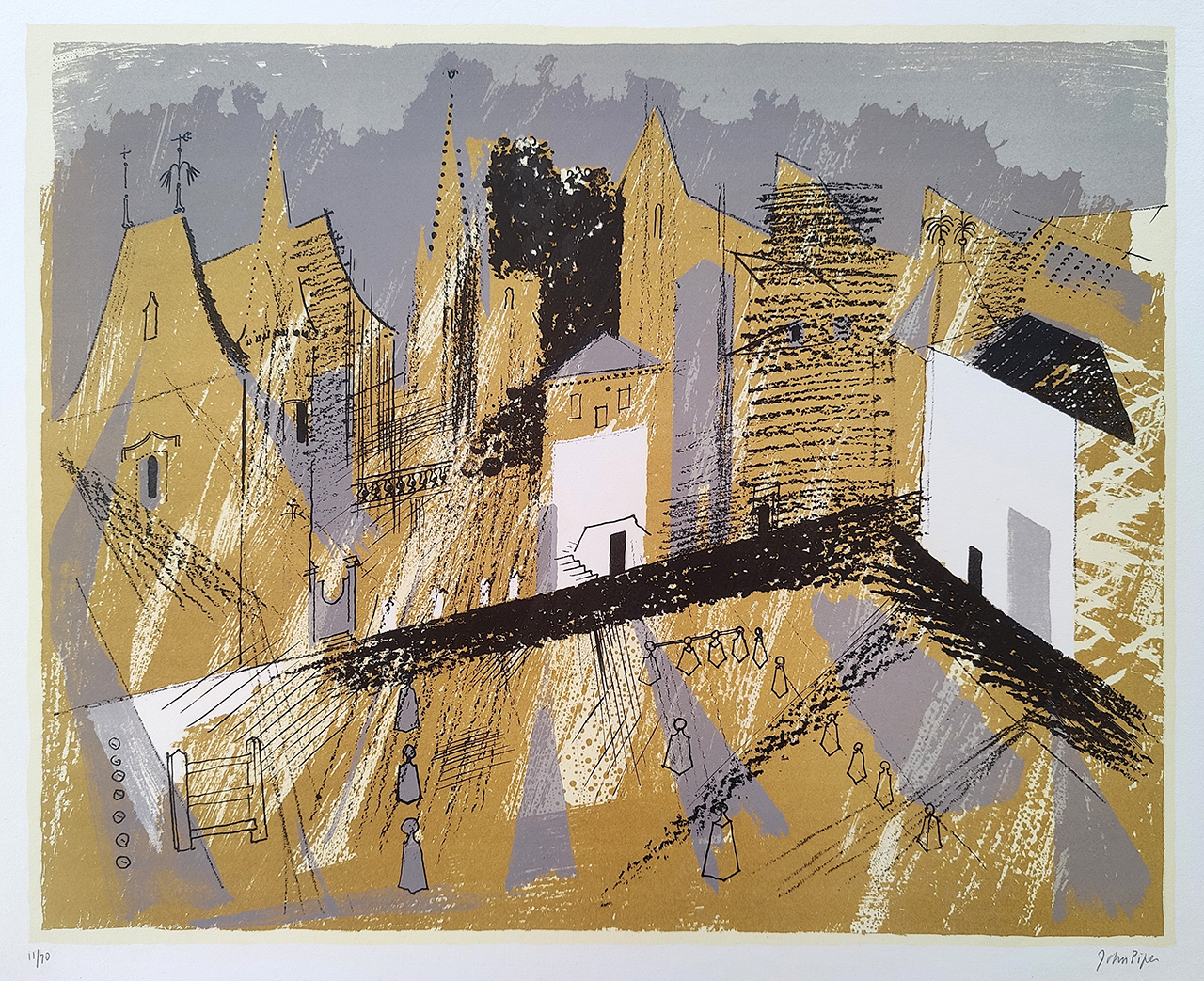
‘Parthenay’, c.1969
Fifties Art and
John Piper
Fifties Art’s relationship with John Piper began when gallery owner Richard Turkington acquired Parthenay, a 1957 lithograph whose abstract qualities and limited palette prompted him to look more deeply into Piper’s work. What began with prints soon expanded into textiles, paintings and other works, revealing an artist whose extraordinary output stretched from the 1930s to the 1980s.
That interest has since developed into a substantial specialist collection, with particular strengths in Piper’s lithographs, screenprints and original textiles. Fifties Art has also staged a series of exhibitions devoted exclusively to Piper, bringing together works in settings ranging from a Herefordshire country house to a London gallery.
Today, John Piper remains central to Fifties Art — not simply as an artist to collect and sell, but as a continuing subject of research, discovery and enthusiasm.
Available John Piper works
-
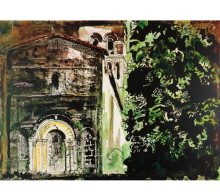
Piper, John: La Chapelle St Robert, Dordogne
£2,250.00 Add to basket -

Piper, John: Curt Valentin exhibition catalogue 1955
£45.00 Add to basket -
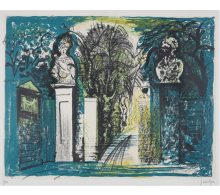
Piper, John: Petworth Gates, West Sussex
£1,750.00 Add to basket -
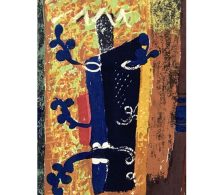
Piper, John: Foliate Heads fabric – right hand panel
£750.00 Add to basket -
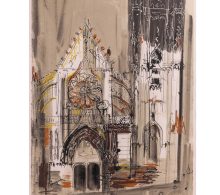
Piper, John: Clamecy
£2,250.00 Add to basket -

Piper, John: St Sauvant
£6,500.00 Add to basket -
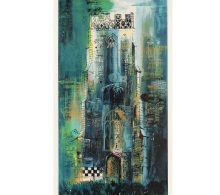
Piper, John: Stansfield
£4,500.00 Add to basket -
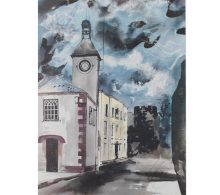
Piper, John: Laugharne Town Hall and Castle – SOLD
£750.00 Read more -

Piper, John: The Seasons – Summer
£1,750.00 Add to basket
Looking for a Piper — or have one to sell?
Whether you’re searching for a particular John Piper work or have one you’re considering selling, please get in touch